In 1983, Dr. John Condry and Dr. Cyndy Scheibe started CRETV (Center for Research on the Effects of Television) at Ithaca College with the intention of documenting the change of television content over time and the lasting impact it had on children and teens. Since then, the video archive has grown into one of the largest archives of television video content in the nation and the research.
Partnered with Project Look Sharp, a media literacy directed by Scheibe, the research team, with the exception of Condry who died in 1993, has tackled understanding the media’s representation and impact of topics such as the construction of war, the Middle East, and perception of war; as well as, nutrition, global warming and now gender stereotypes.
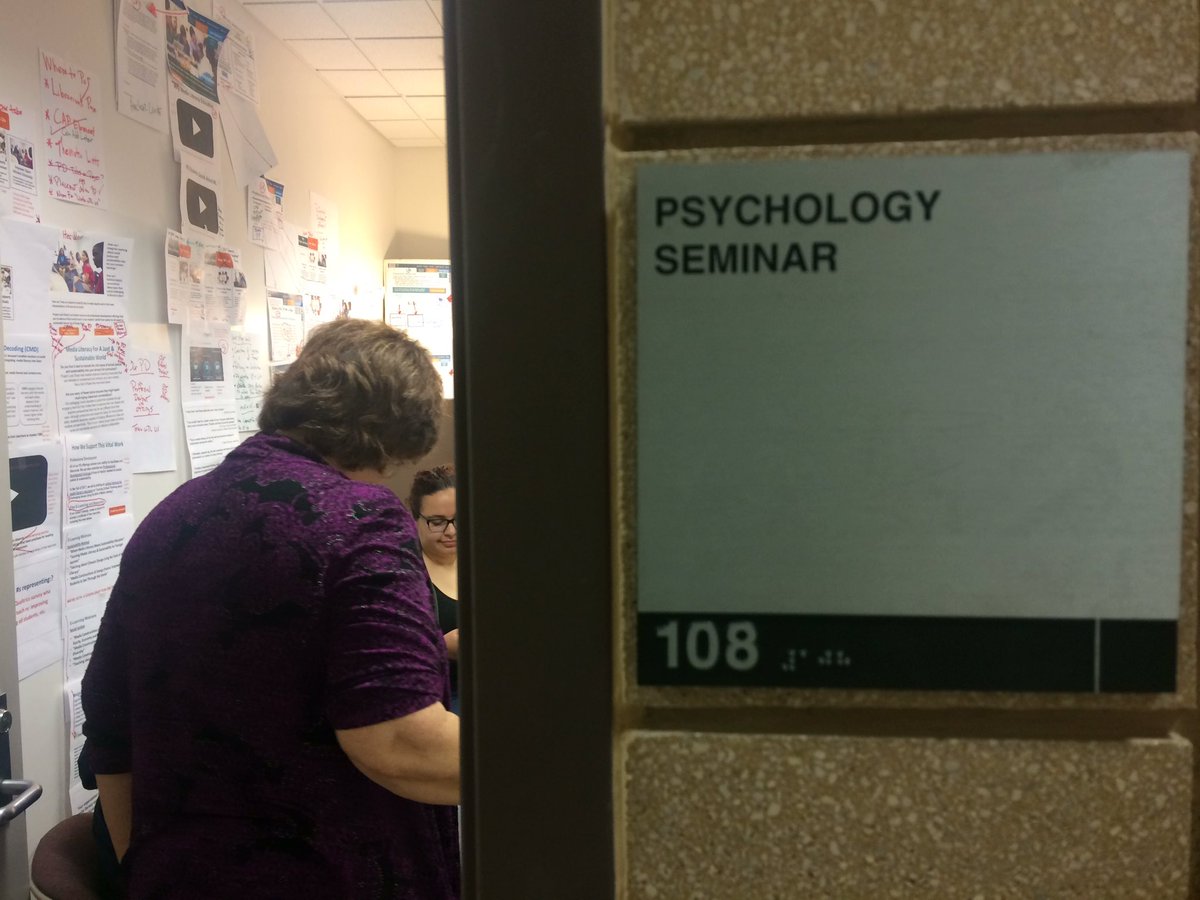
Scheibe, who co-authored The Teacher’s Guide to Media Literacy: Critical Thinking in a Multimedia World, said that come November the research team expects to be in the several different third-grade classrooms in Tompkins County using constructivist media decoding to educate the students on gender stereotyping that targets them via commercial advertisements and television. She said she believes media literacy courses are taught to children and teenagers far too late in their development, usually after the stereotypes and conditioning has already settled in.
“We think media literacy is literacy. You can’t just teach it in one grade and teaching media literacy about anything in high school is too late. The same way we teach kids to read and write, we need to teach kids how to think critically about the media messages.”
Amidst controversial advertisements like Dove’s* two body soap commercials, which have been accused of representing black women in a less than thoughtful light, and the Goldieblox “No More Pink” commercial, Scheibe’s research is more valuable now than ever. Advertisement, optimistically, tells a story to the consumer and that story is that every brand and product possesses something unique about it that improves life quality. In the classes Scheibe leads to hone her researcher’s coding abilities**, she expresses to the class that the advertisements also tend to try and tell us a story about ourselves and it’s important to know how to differentiate which stories might be true and which ones are certainly false.
For children, who become teenagers who become adults, the current status of media literacy education teach them how to set apart who they are and what’s represented on television. Shows on Disney Channel and toy and game advertisements show them what it means to be a boy or a girl, that boys can only like one thing and girls can only like another thing. They also spread stereotypes about race, culture and general life lessons. Eliot Hagerty, a student research member at CRETV, says the children as young as five-years old are immensely vulnerable to the messages media perpetuates.
“Whether or not the kids have been socialized yet into thinking about gender stereotypes, which third-graders are actually old enough to be socialized, unfortunately, they might not be socialized to even know that they know that this is happening to them,” said Hagerty.
In an aside to one of college classes during a lesson, Scheibe shared an example of the impact teaching younger students has had in her experience. She said that once, after showing a Monster Truck commercials she uses to help third-graders analyze gender stereotypes, she looked around the classroom at the puzzled faces. She said that when she had concluded the session with the class, she asked the students what they had learned from the day and was surprised by one student’s reply: “If I had a friend and he didn’t fit the stereotype, I could stand up for him.”
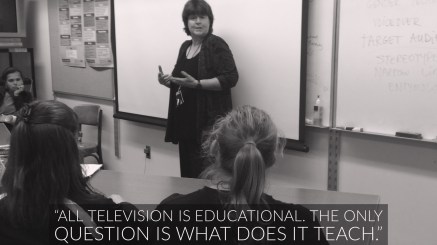
“Our mantra that we use as quote driving our team comes from an FCC commissioner in the 1970s, Nicholas Johnson, who said ‘all television is educational, the only question is what does it teach?’” said Scheibe.
* The Dove commercial has since been pulled from the in
**Coding is the practice of closely observing an audience and, using a rubric, and making deductions about the generalities of the audience, in this sense.
 glennepps.com